Building Design Technology
Virtual Reality
Drone Technology
Drone Technology
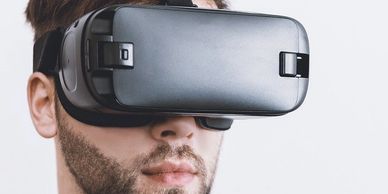
Virtual reality (VR) in architecture is revolutionizing building design by providing immersive, interactive experiences that allow architects and clients to explore and visualize spaces before they are built. With VR, designers can utilize advanced 3D modeling software to create detailed models of buildings and environments, enabling users to walk through and interact with the design in real-time. This technology enhances communication, reduces errors, and allows for more precise adjustments based on client feedback. Additionally, by integrating drone technology in construction, VR helps simulate real-world conditions, aiding in informed decisions about materials, lighting, and spatial arrangements, ultimately leading to more efficient and effective design processes.
Drone Technology
Drone Technology
Drone Technology
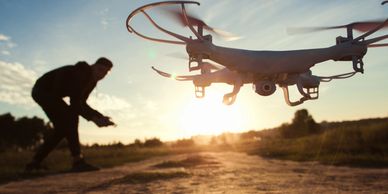
Drone technology in construction is revolutionizing the architecture and construction industries by offering innovative solutions for surveying, mapping, and monitoring projects. Drones equipped with high-resolution cameras and sensors can capture detailed aerial images and data, which architects can use alongside 3D modeling software to create accurate site models and topographical maps. This advanced technology enhances precision in planning and design, reduces the time and cost associated with traditional surveying methods, and improves safety by accessing hard-to-reach areas. During construction, drones provide real-time progress monitoring, quality inspections, and efficient site management, ensuring projects stay on track and meet high standards of quality and safety. Moreover, the integration of virtual reality in architecture further complements these efforts by allowing stakeholders to visualize projects in immersive environments.
3D Modelling
Drone Technology
3D Modelling

3D modeling software is a cornerstone of modern building design, enabling designers to create detailed and realistic representations of buildings and spaces. This technology allows designers to visualize and refine their concepts, experiment with different materials and layouts, and communicate their ideas more effectively to clients and stakeholders. One of the leading tools in this field is Autodesk Revit, a powerful Building Information Modeling (BIM) software. Revit facilitates the creation of comprehensive 3D models that integrate architectural, structural, and MEP (mechanical, electrical, and plumbing) components. Additionally, the integration of drone technology in construction and virtual reality in architecture enhances collaboration among project teams, improves accuracy, and streamlines the design and construction process by providing a single, cohesive model that can be updated in real-time. This results in more efficient project management, reduced errors, and higher-quality outcomes.